Third airport in İstanbul aimed at growing THY, aviation industry

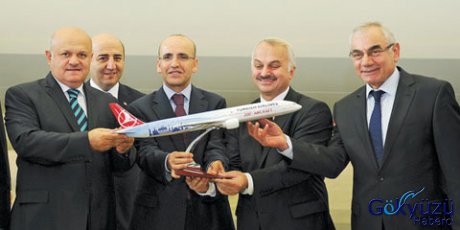
Expressing pride at the success story of Turkish Airlines (THY), Finance Minister Mehmet Şimşek stated on Tuesday that the government’s plan to open a third airport in İstanbul aims to pave the way for the further growth of THY and of the potential of the country’s aviation industry.
Speaking at a ceremony held to mark the purchase of THY’s 200th plane at İstanbul Atatürk Airport, Şimşek remarked that it is one of the difficulties attendant upon the fast growth of the industry that it is sometimes difficult for bureaucracy to catch up. However, despite the difficulties posed for THY as well other businesses, he said, “We promise businesses that we will clear the way as they lead on.”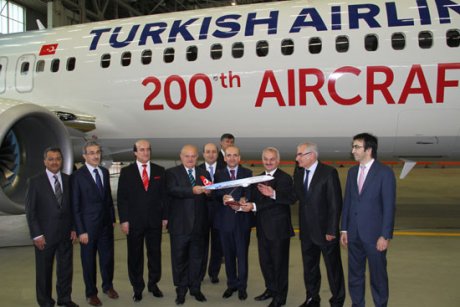
Şimşek emphasized during his speech that looking at the rapidly expanding aviation industry, it is clear that the main driving factor behind the growth is THY. “Comparing the results with what they were 10 years ago, THY has achieved a mighty success. The company used to be a monopoly in the domestic market, but now its share is around 50 percent, due to a highly competitive market. However, this did not affect the company’s growth, and it kept posting profits over the past decade, even at a time of global economic slowdown, when many airline companies shrank,” he commented.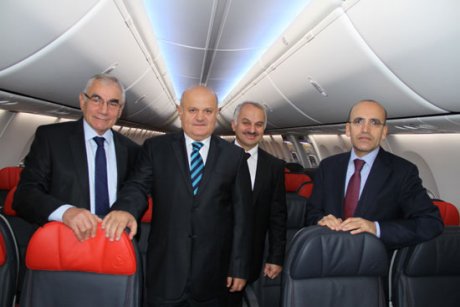
Şimşek explained that the capacity of airports, number of carriers and number of passengers had increased significantly in line with the growth in the airline industry. “The industry makes notable contributions to the economy, with the increase in profits from $2.2 billion in 2002 to over $15 billion currently. The industry’s speed of growth tripled the growth speed of the Turkish economy, and THY leads the way for growth in the industry,” he stated.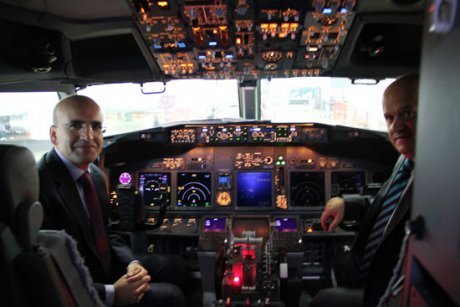
The finance minister further noted that 10 million Turks had traveled by plane for the first time in the past decade, with the annual number of passengers increasing from 34 million in 2003 to 131 million this year, and remarked that many cities in the country are now accessible by airline transportation and thus better connected to the world. Şimşek went on to inform listeners that employees of THY have increased from 10,000 to 30,000, as the number of employees industry-wide has risen from 65,000 to over 150,000 in the past decade, giving an indication of the industry’s contribution to employment.
Responding to questions from reporters regarding a co-management agreement with German airline Lufthansa, Şimşek stated, “THY and Lufthansa are working towards a cooperation agreement currently, which is aimed at increasing dialogue in certain fields and commercial means.” Answering another question regarding the privatization of THY, he said that the government has control over management but that THY shares are already publicly traded, with 51 percent owned by the public. “The privatization of THY, which is one of the government’s main enterprises, is not on the agenda,” he added.
In addition, the minister emphasized important achievements of THY such as the establishment of trade bridges with certain countries by the provision of transportation. “With each additional country THY flies to, the trade relations with that country expand,” he said.
Also speaking at the event, THY CEO Hamdi Topçu expressed his satisfaction at the achievement of company goals, and stated: “When we had purchased our 100th aircraft, we had a goal to achieve our 200th. Now our new target is to reach 300 planes.” He noted that THY in 2003 flew to 103 destinations, a number that has grown to 205 destinations in 90 countries today. “In 2003, we had 651 pilots and 1,579 cabin attendants. This number has increased to 2,445 pilots and 5,344 cabin attendants now,” he said.
THY aims to reach to 1 million passengers in Russia
THY Russia General Manager Mefail Deribaş noted that THY currently provides transportation for 800,000 Russian passengers annually, with flights to and from eight different Russian cities, and said the company plans on increasing this number to 1 million passengers as soon as possible.
Informing the audience that THY operates a total of 68 weekly flights between Turkey and Russia — including 42 for Moscow, four for St. Petersburg, four for Kazan, three for Sochi, five for Ufa, three for Rostov, four for Yekaterinburg and three for Novosibirsk — Deribaş said, “We have established eight solid bridges between Turkey’s three cities and Russia’s eight.”
Meanwhile, he explained that during peak times, between April and October, flight numbers increase from 68 to about 90. He further highlighted that the number of Turkish tourists traveling to Russia increased by 35 percent in 2011, following the signing of a visa exemption agreement between the nations.

DİĞER HABERLER
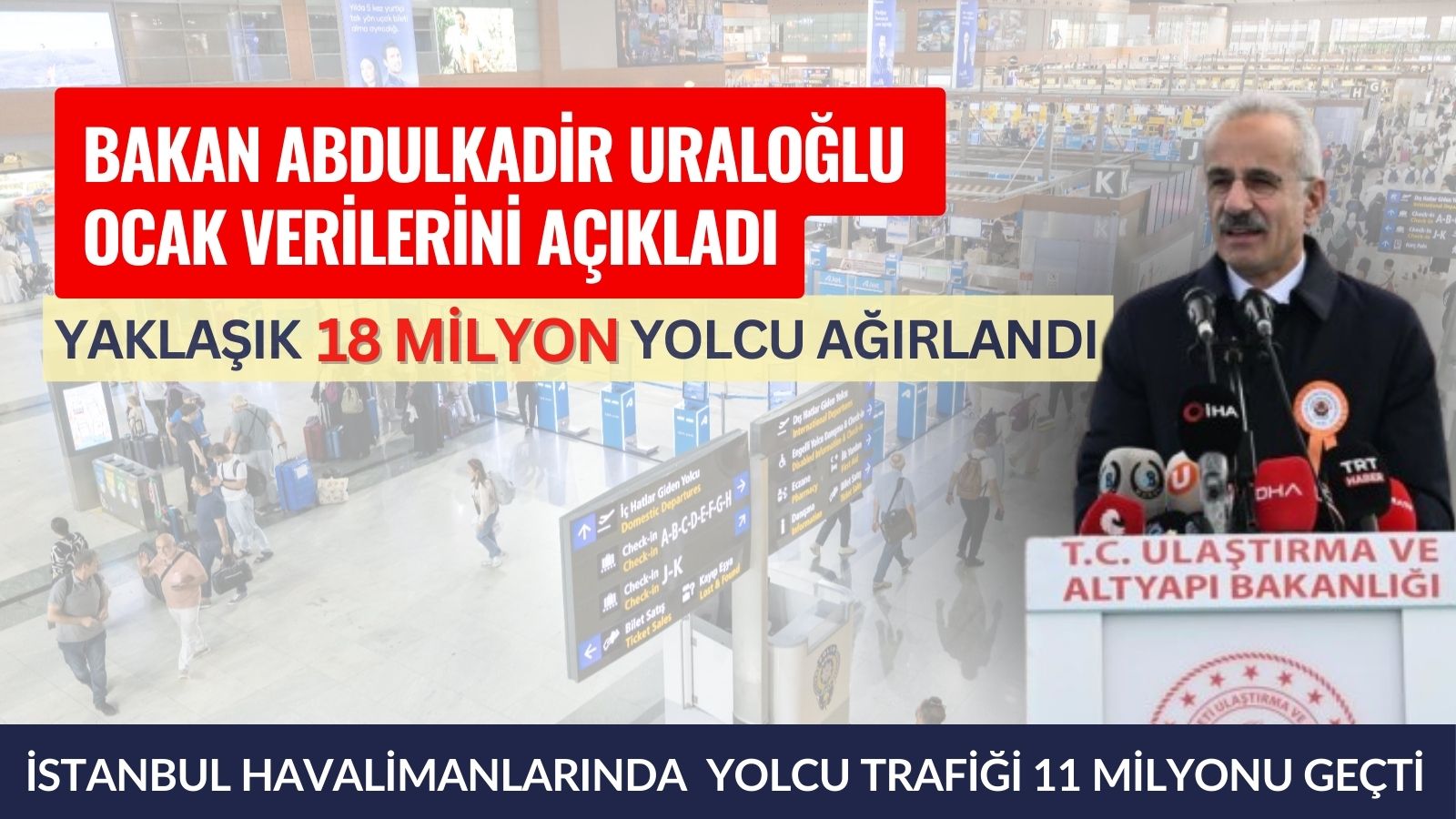
Uraloğlu Açıkladı: Ocak Ayında Havalimanlarında 17,8 Milyon Yolcu

Corendon Airlines ve sonnenklar.TV güçlerini birleştirdi

Air Canada uçağı LaGuardia’da itfaiye aracıyla çarpıştı: 2 pilot hayatını kaybetti
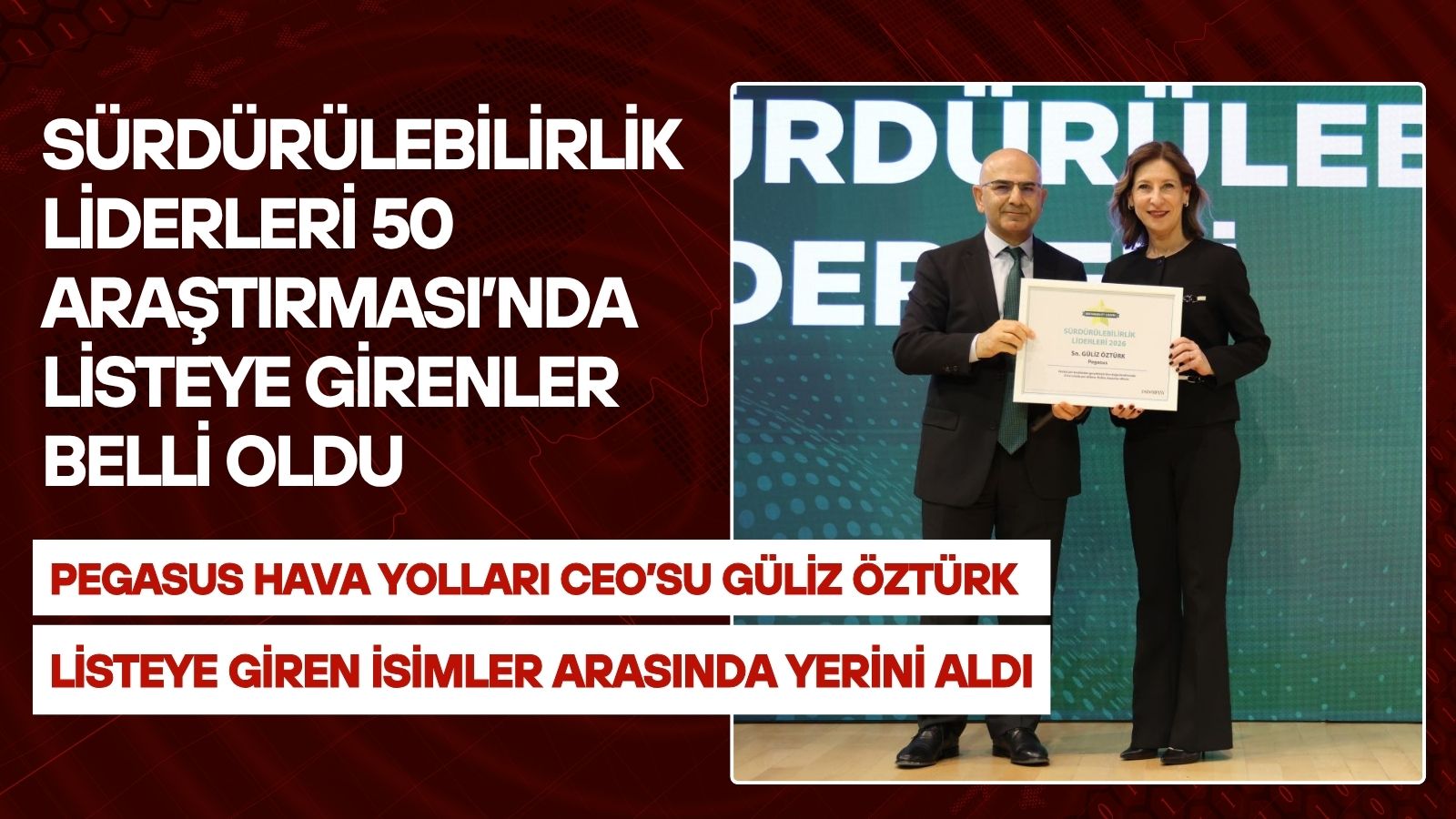
Pegasus Hava Yolları CEO’su Güliz Öztürk sürdürülebilirlik liderleri arasında
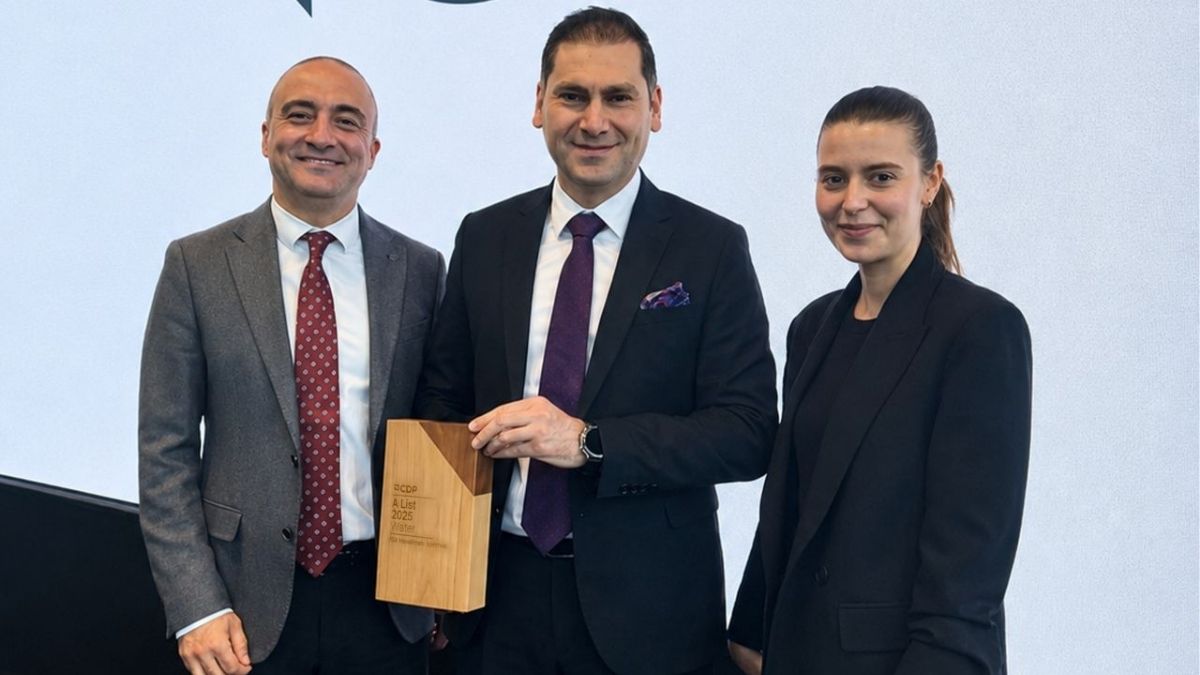
iGA İstanbul Havalimanı, CDP Global A Listesi’ne Girdi

İstanbul Sabiha Gökçen Havalimanı’ndan Sömestr Tatiline Özel 5 Rota

Türkiye’nin En Genç Havayolu AJet’ten Rekor Büyümesi: 2025’te 23 Milyon Yolcu, 20 Yeni Hat

TAV Havalimanları’ndan 2025’te 1 milyar 823 milyon avro ciro
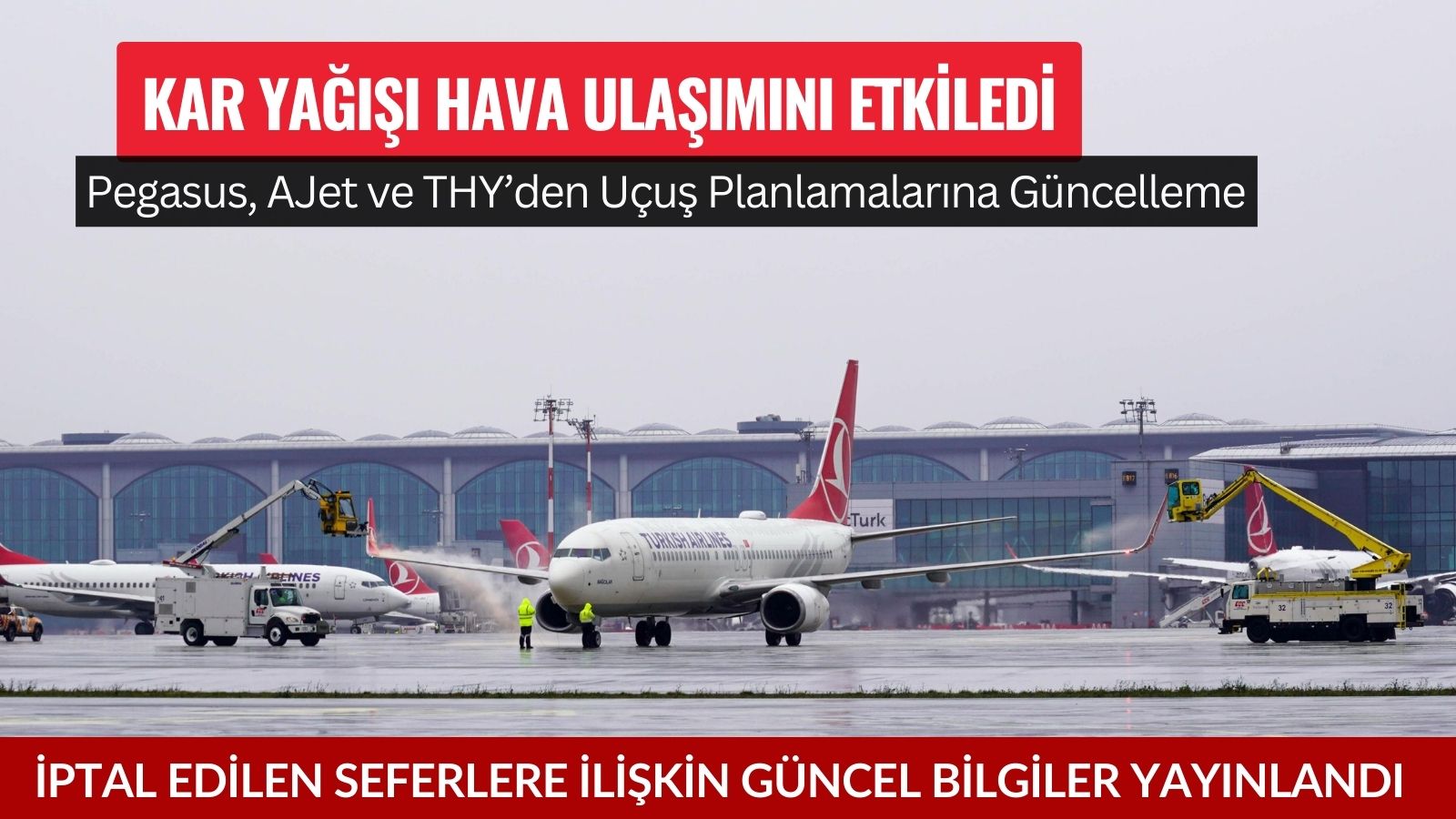
Kar Nedeniyle İptal Edilen Uçuşlar: Pegasus, AJet ve THY Güncel Listeler