Turkey’s Akfen eyes ‘large’ Greek privatization opportunities


Turkish conglomerate Akfen Holding is keeping a close eye on Greece’s privatization program and intends to enter that market, the company CEO Hamdi Akın said Thursday in İstanbul.
“We are considering getting involved and bidding for certain privatization tenders in Greece. We are following the process and possible large investments in the country should not be a surprise,” Akın told the Anatolia news agency. As part of its multi-billion euro privatization plan, Greece is offering state assets, including public firms, ports and islands for sale. The crisis-hit country expects to meet a privatization revenue target of 2.6 billion euros for 2013, with investor interest coming mainly from China and Russia for state companies going on the block, including natural gas distributor DEPA and gambling firm OPAP. Railway and water companies are also on the Greek government’s privatization list.
Greece’s two largest port operators, Piraeus OLP and Thessaloniki OLTH are likewise on the government’s privatization agenda. Chinese shipping group Cosco, which is already running some of Piraeus port’s cargo facilities, earlier revealed plans for a larger stake in the port. “We are also seeking investment opportunities in Greek ports,” Akın said. A number of Turkish companies voiced interest in investing in the Greek tourism industry. The euro zone’s poorest country is also pinning its hopes on a possible rejuvenation in the tourism sector to help jumpstart the country’s slumping economy.
Akfen holds shares in leading Turkish airport operator and builder TAV. Regarding reports of TAV being interested in an expected tender for İstanbul’s new airport, Akın said they will decide in April whether to submit a bid or not. “We should be the leading candidate if we decide to enter the tender here,” he noted. In January the Turkish government revealed plans to build what it said would be the largest airport in the world in İstanbul, eventually able to handle 150 million passengers per year, in a project expected to cost more than $9.3 billion.

DİĞER HABERLER

Qatar Airways ve QAS, Yer Operasyonlarında Yapay Zekâ Destekli Sistemi Devreye Aldı

Sabiha Gökçen Havalimanı Avrupa havacılık ekosisteminin parlayan yıldızı

Kanada, Alkollü Pilot Olayı İçin Air India’dan Soruşturma Talep Etti
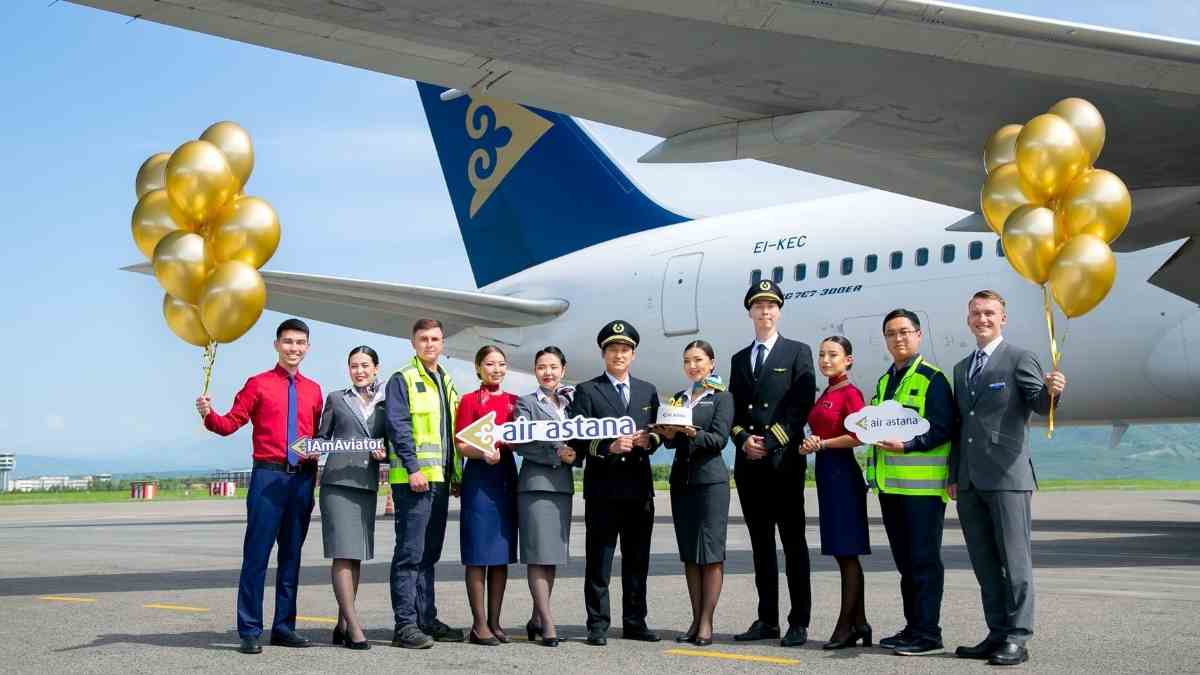
Air Astana, ticari uçuşlarının 24’üncü yıl dönümünü kutluyor

American Airlines Kabin Memuru Eric Gutiérrez Molina’nın Şüpheli Ölümü

Türk Hava Yolları 93. Yılını Kutluyor
Is Turkish Airlines Safe in 2026? What Passengers Need to Know
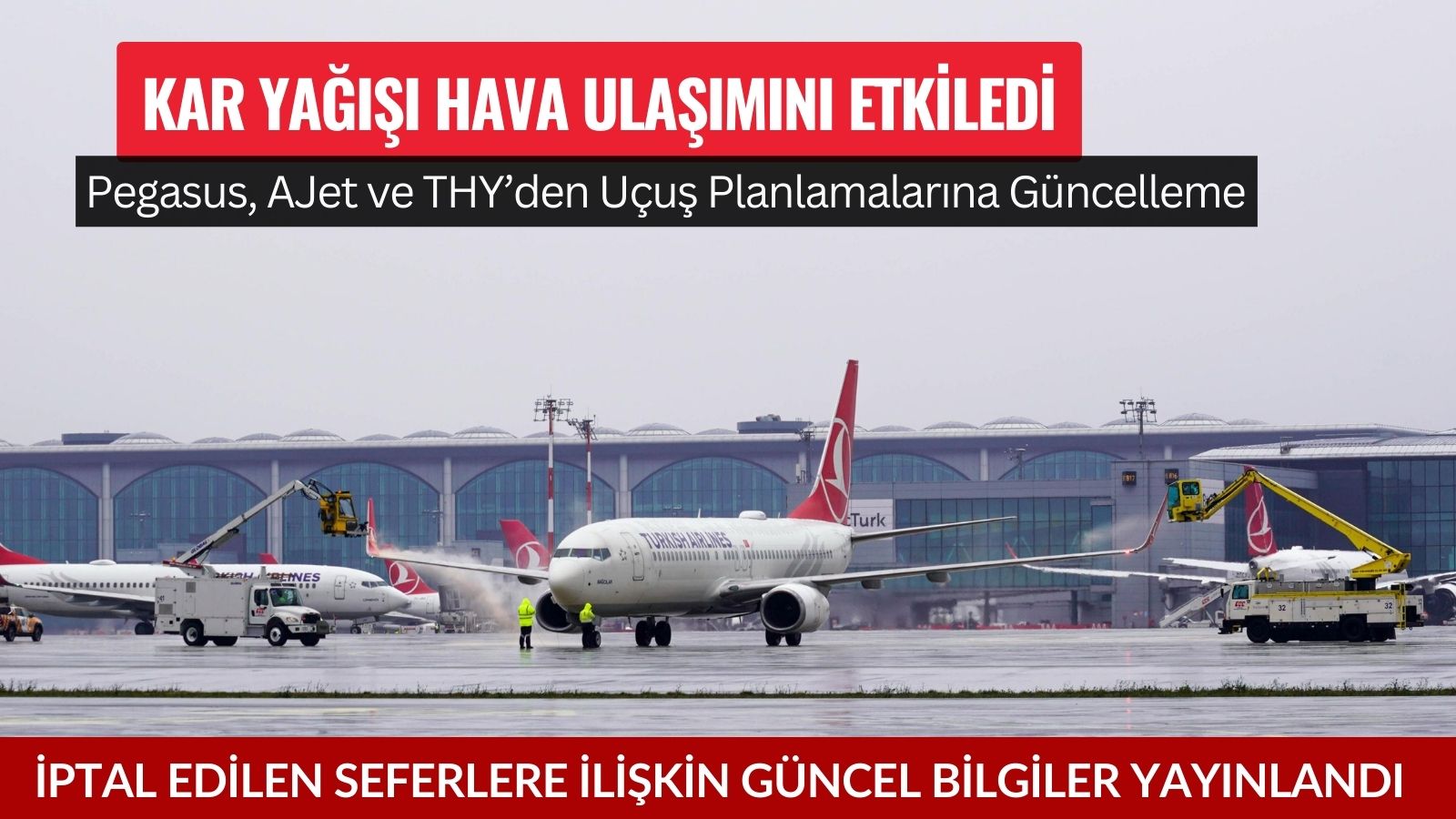
Kar Nedeniyle İptal Edilen Uçuşlar: Pegasus, AJet ve THY Güncel Listeler
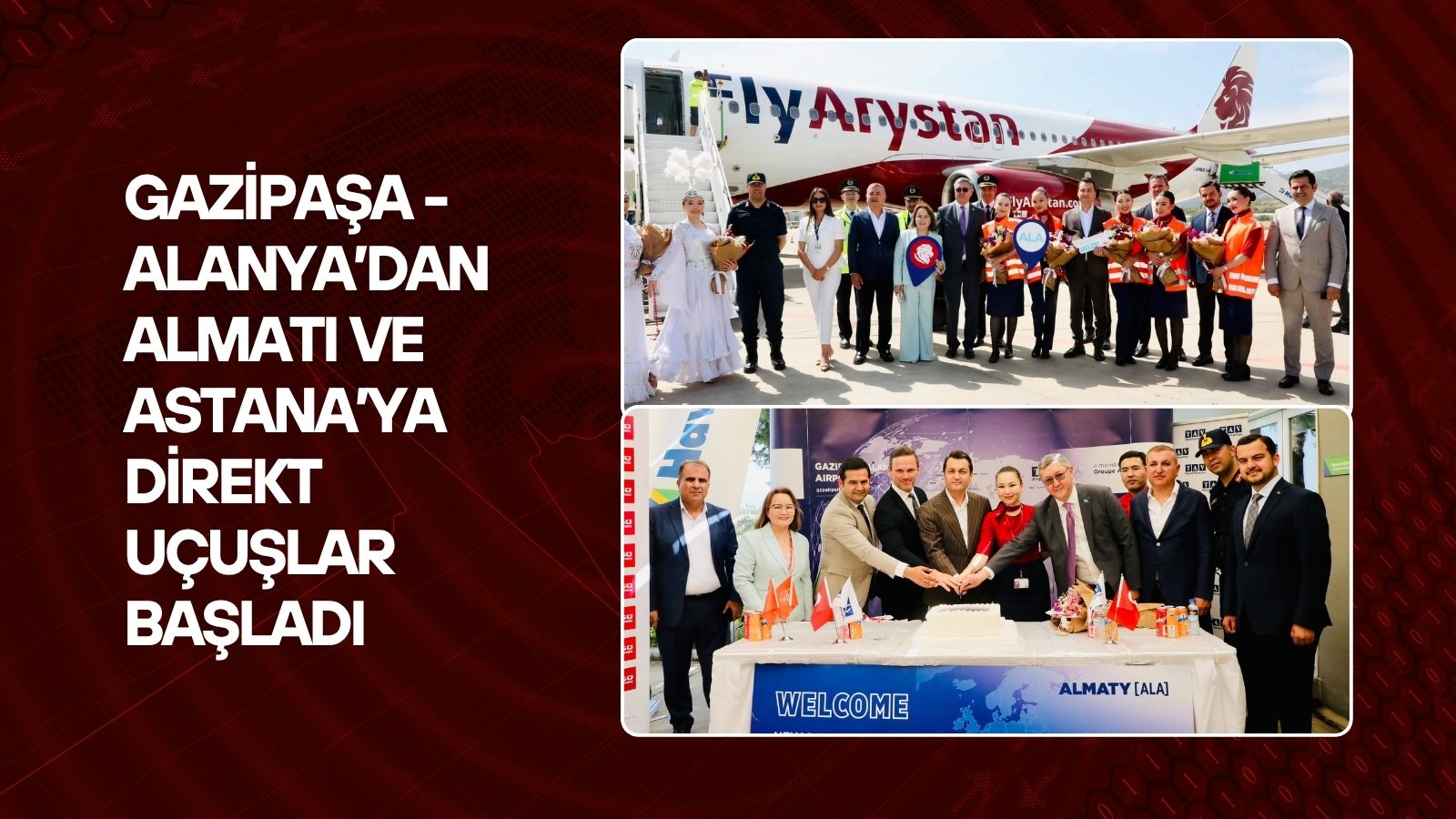
Gazipaşa-Alanya’dan Almatı ve Astana’ya direkt uçuşlar başladı